Dog



Common Skin Diseases in Dogs
Have you noticed your dog licking their paws frequently? Scratching behind their ears? Chewing at the area above or below their tail? Licking under their back legs? Perhaps you’ve seen areas of red…

Dermatitis in Dogs: Causes, Symptoms, and Treatment
Dogs, like people, can develop allergies to a variety of things from pollen and other airborne substances to specific ingredients in their food. Allergen is the general term for the specific…
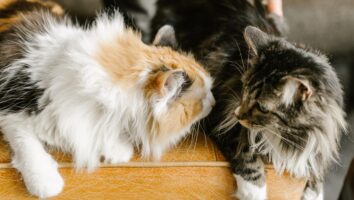
Flea Anemia in Dogs and Cats
While many dogs and cats with fleas may only experience some itching or no symptoms at all, heavy infestations in kittens or puppies can be fatal. Several fleas on a very young kitten or puppy can…
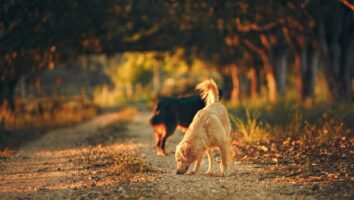
Flea and Tick Medication Guide for Pet Parents
Fleas and ticks are external parasites that feed on the blood of their hosts, typically dogs, cats, and other mammals. Heavy infestations can lead to anemia and potentially serious complications…

Symptoms and Prevention of Chiggers in Dogs
Chiggers, scientific name Trombiculamites, are also called harvest mites, itch mites, scrub mites, and red bugs due to their red to bright orange color. While they don’t actually penetrate or burrow…
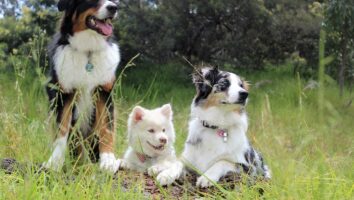
Most Common Dog Diseases: What to Watch Out For
It’s scary bringing our new canine friends out into the world without knowing what atrocious bacteria, viruses, and/or illnesses can cause them harm. There are a vast number of things that can cause…
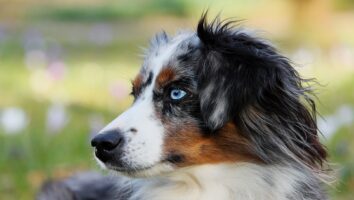
Flea Allergy Dermatitis (FAD) in Dogs
Flea Allergy Dermatitis is the most common skin disease and cause of itching in dogs. For adult fleas to reproduce they must bite a dog to obtain a blood meal. Most of the flea life cycle is not…

Common Worms and Parasites Found in Dogs
All dogs get intestinal parasites, so it is important to talk with your veterinarian about diagnosing, treating, and preventing worms. This article will discuss the most common intestinal parasites…
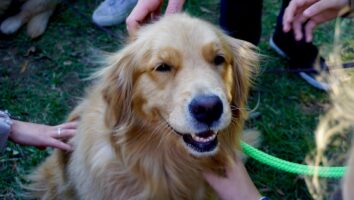
Dog Ownership Costs from Head to Tail
Puppies are irresistibly cute! But their unrelenting energy can tax your patience and make a mess. Older dogs are calm and unassuming, but they can develop special needs or medical conditions. No…