Dog



Kidney Infections in Dogs
Have you noticed a sudden increase in your pet’s water intake and frequency of urination? Is your house-trained dog suddenly having “accidents” indoors? Many conditions can affect the urinary tract…
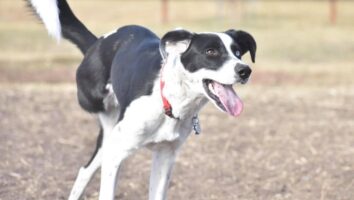
What to Expect if Your Dog Has an Amputation Surgery
While the idea of a dog losing a limb can be devastating for pet parents, what many are not aware of is dogs typically adjust pretty well after an amputation procedure, and they often continue to…
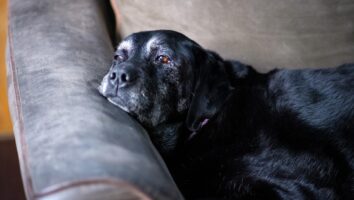
Stroke (Vascular Accidents) in Pets
Just like in people, a stroke in pets occurs when an important part of the brain doesn’t receive adequate blood circulation. While a stroke or cerebral vascular accident (CVA) is not very common in…
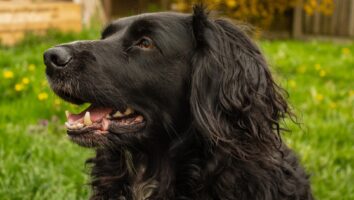
Fibrocartilaginous Embolism in Dogs
Fibrocartilaginous embolism (FCE) in dogs is a condition that causes paralysis when a blood vessel in the spinal cord is blocked. It can occur during vigorous exercise, such as running and jumping…
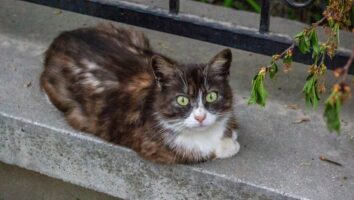
Meningioma in Dogs and Cats
Meningioma is the most common brain tumor in dogs and cats. About 50% of all brain tumor cases in dogs are attributed to meningioma, while the incidence in cats is about 56%. Continue reading to…
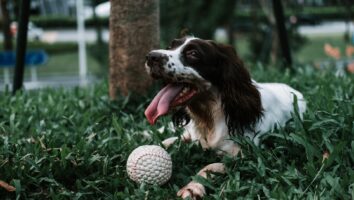
Elbow Dysplasia in Dogs
Canine elbow dysplasia is a developmental condition affecting the elbow joint of young dogs. When signs of lameness in one of your puppy’s front legs starts to develop, your vet may suspect elbow…

Discospondylitis in Dogs
Infections are one of the most common conditions among humans and their pets. Some of them can be resolved even without treatment, depending on the defenses of each organism. In contrast, others…

Pre-Existing Conditions: Helpful Tips You'll Appreciate About Pet Health Insurance
Pre-existing conditions are health concerns, such as diabetes, kidney disease, or an oral infection that your dog or cat had before coverage starts for pet health insurance. Many dog and cat…
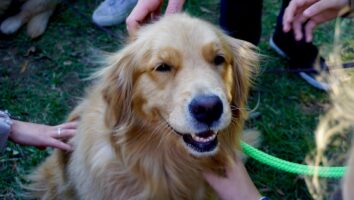
Dog Ownership Costs from Head to Tail
Puppies are irresistibly cute! But their unrelenting energy can tax your patience and make a mess. Older dogs are calm and unassuming, but they can develop special needs or medical conditions. No…