Dog



What Causes Bloody Diarrhea in Dogs?
Unfortunately, diarrhea is a frequent reason why dogs are seen by their vet. We recognize it by our dog’s frequent trips outside, which often result in watery, mucousy, or sometimes bloody stool. If…

Bloody Noses in Dogs and Cats
Nose bleeds in dogs and cats can be mild with only drops of blood, but often the bleeding is severe and feels like it will never stop. There are many causes for a bloody nose to develop and your vet…

High Blood Pressure (Hypertension) in Dogs
High blood pressure (also called hypertension) is an abnormal increase in blood pressure. A dog is said to be hypertensive when systolic blood pressure (SBP) exceeds 160 mmHg. The symptoms exhibited…

Help! Why is my dog vomiting blood?
Hematemesis, or bloody vomit, can be a severe clinical sign of many different diseases or other traumas. If you see any blood in your dog’s vomit, contact a veterinarian immediately. We’ve compiled…

Why does my pet need a complete blood count?
The complete blood count (CBC) is a common blood test that is performed during a routine wellness check or as a tool to diagnose a medical issue. A CBC can be easily performed at most veterinary…

What to Expect if Your Dog Needs a Blood Transfusion
Dogs can suffer from severe blood loss or from diseases that require blood transfusions from a healthy dog so they can recover. But blood transfusions in dogs are much more complex because there are…

16 Summer Dangers for Dogs
For many of us, summer means getting outside and enjoying time in nature with our furry best friends! Unfortunately, this also means that our pets can be exposed to new dangers. Summer temperatures,…

Tick Talk - Dogs and Tick Control
Ticks are small, biting parasites that feed on blood and are typically most active from spring through fall. They are most commonly found in wooded areas. Ticks come in many different varieties that…

Why is My Dog Losing Hair? What You Need to Know About Demodectic Mange
Demodectic mange, also known as demodicosis or “red mange”, is caused by a cigar-shaped, microscopic mite called Demodex canis. These mites are transmitted from mother to pup within the first few…

What You Need to Know About Neutering Your Male Dog
Castrating (or neutering) male dogs is a common practice. The procedure can be done in different ways, either surgically or chemically. Here we answer some of your most common questions and concerns…

Swelling of the Ear (Aural Hematoma) in Cats and Dogs
Aural (ear) hematomas form when blood vessels rupture under the skin of the ear flap. This is the most common reason for swelling along the outside of a dog or cat’s ear. Continue reading to learn…

Heat Stroke (Hyperthermia) in Dogs
Dogs cannot regulate their temperature by sweating, like humans. Instead, dogs pant to cool their body. Unfortunately, this isn’t always an effective way to avoid overheating. If the surrounding air…

Why does my dog eat grass? Is it safe?
It's common for dogs to eat grass from time to time. Sometimes this may make your dog vomit. It can be concerning and difficult to understand why your dog wants to eat grass, especially if it makes…

Hot Spots (Moist Dermatitis) in Dogs
Hot spots, also known as moist dermatitis, are a common skin condition in dogs. They are typically caused by damaged and/or infected skin. Areas of redness and irritation can occur rapidly,…

What’s Wrong with My Dog’s Tail? Facts About Limber Tail Syndrome
Dogs who like to swim, or those who spend long periods of time in cold, wet weather, can be at risk for a condition called limber tail syndrome. There are many names for limber tail syndrome…

Pet First Aid: How to Treat Minor Wounds
Cuts, abrasions, and other skin injuries are common in our pets. Treatment options depend on the cause of the injury, severity and size of the wound, and where it is located on the body. Careful…

Does My Dog Have Mastitis? How to identify, treat, and prevent mastitis in nursing mothers
Mastitis means inflammation of the mammary tissue (breast tissue). This painful condition typically occurs when one or more of the mammary glands (mild-producing glands) becomes infected. Mastitis…
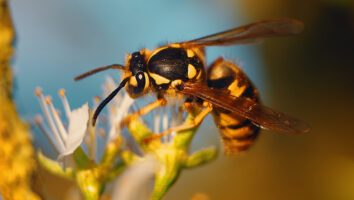
Wasp and Bee Stings in Dogs and Cats
Dogs and cats are often curious. They like to investigate or hunt insects, and therefore run the risk of being stung or bitten. Most dogs and cats can tolerate a wasp or insect sting without…