Cat



How to apply spot-on medication to your dog or cat
A lot of medicines for preventing external and internal parasites such as ticks, fleas and worms in cats and dogs are spot-on preparations. Read our article on how to use them safely and effectively!

What is cherry eye in dogs?
Dogs have a third eyelid which is found in the inner corner of each eye. You may have seen a small, pink triangular piece of tissue flick briefly across your dog’s eye when they yawn? This is the…

Mastitis in dogs - what you can do to help, and when you should seek advice
Mastitis describes inflammation of the mammary tissue (breast tissue) that enables mothers to produce milk for new offspring. Mastitis is painful inflammation or infection of one or more of the…

How to help your pet to be home alone again after Covid-19 quarantine: 5 tips
Many of our pets have enjoyed the extra time that they have had with their owners during the Covid-19 restrictions. As the lockdown is lifting, it is important to remember that your pet(s) will not…
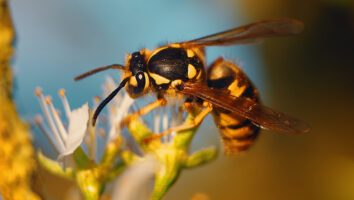
Wasp stings in dogs and cats
Dogs and cats are often curious. They like to investigate or hunt insects, and therefore run the risk of being stung. Most dogs and cats can cope well with a wasp or insect sting. In many cases, a…

Summer dangers for cats
Summer means that both we and our cats can spend more time outdoors. However, for cats, the hot weather and being out in nature, can pose a number of risks. In this article you can read about some…

Neutering your cat – advantages and disadvantages
It is very common for cats to be neutered in the UK. When castrating male cats, the testicles are removed. When neutering female cats, the uterus, ovaries and fallopian tubes are removed…

Hypertrophic cardiomyopathy (HCM) in cats
Hypertrophic cardiomyopathy (HCM) is the most common form of heart disease in cats. Here we describe the signs to look for and what to do if you have concerns about your cat.

Tips for cats with urinary disease or kidney issues
The vet who manages your pet’s case is always the best person to advise you about the treatment plan. However, for all cats, increasing their water intake and trying to reduce their stress levels…

Hair loss (Alopecia) in cats
Cats commonly present to vets for hair loss, which is also known as alopecia. There are many reasons for hair loss. There are primary and secondary causes of alopecia. Here our vet shares their…

Why do cats hunt and how to reduce it?
Cats are predators and as such are instinctive hunters. Domestic cats have retained the same hunting instincts as their wild relatives; we can see this when they chase and pounce on a toy. They…

Breathing problems in cats
Breathing difficulties (dyspnoea) are a relatively common emergency in cats. There are several reasons why your cat may experience difficulty breathing and any age of cat can be affected. Breathing…

How to give your dog or cat a happy New Year
New Year's Eve, with its promise of celebration and new beginnings, is just around the corner. How about you include your pet too in this opportunity for joy and renewal? Read on for our best tips…

Disease surveillance in pets
I work as a clinical pathologist and veterinary investigations officer when I am not on shift with FirstVet. My job involves all aspects of disease surveillance such as; identification of disease,…

Chronic Kidney Disease (CKD) in cats
Chronic Kidney Disease (CKD) is a term used to describe progressive kidney failure or chronic renal failure in cats. CKD is one of the most common diseases in older cats, although it does not affect…

Choosing a cat carrier
Cats often have negative associations with their carrier, especially if it means a trip to the vet. This may make it difficult to get them to enter the carrier, therefore making it harder and more…

Retained testicle (Cryptorchidism) in pets
When an animal has an undescended or retained testicle, we call this condition cryptorchidism. Cryptorchidism is seen in both cats and dogs, as well as other animals. Although cryptorchidism rarely…

Taking your pet's temperature
The only way to determine if your pet has a fever is to use a thermometer. We show you how to do this with a few quick and easy steps to help you take your pet's temperature safely and accurately.