Dog



Why is chewing gum poisonous to dogs?
Chewing gum is one of the lesser-known everyday poisoning dangers to dogs. Read our article to learn what exactly is toxic in it and what to do if your dog ate some.

Ticks and small animals
Ticks are small parasites that can range in size from a pinhead, before feeding, to the size of a fingernail after feeding. Ticks feed on the blood of animals such as dogs, cats, rabbits, hedgehogs,…

Mast Cell Tumours in dogs
Mast Cells Tumours (MCTs) account for around 1 in 5 skin tumours, which makes them the most common form of malignant skin tumour in dogs. Some are described as low grade, which means they act like a…

Dog breeds: choosing the right pet for you, your family and your lifestyle
There are so many dog breeds that it can feel like an overwhelming task to choose your perfect pet, whether as a puppy or at a rescue centre. You need to feel confident that you will meet your new…

Chocolate Easter eggs and other dangerous temptations for dogs and cats
Easter is here again! Many people are looking forward to eating chocolate and growing new plants this time of year! From hot cross buns and chocolate Easter eggs to daffodils and lilies, there are…

How to clean your dog's ears
Does your dog have problems with its ears and have you been advised to clean them? Here are some tips and advice on how to do it safely and effectively!

Indoor activities for you and your dog
With a favourite toy and some treats, there are many fun activities to keep you and your dog entertained indoors. Maybe you don't have the opportunity to go out right now; sometimes it is good to be…

How to apply spot-on medication to your dog or cat
A lot of medicines for preventing external and internal parasites such as ticks, fleas and worms in cats and dogs are spot-on preparations. Read our article on how to use them safely and effectively!

Mastitis in dogs - what you can do to help, and when you should seek advice
Mastitis describes inflammation of the mammary tissue (breast tissue) that enables mothers to produce milk for new offspring. Mastitis is painful inflammation or infection of one or more of the…
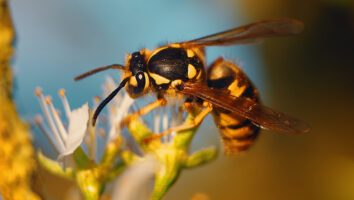
Wasp stings in dogs and cats
Dogs and cats are often curious. They like to investigate or hunt insects, and therefore run the risk of being stung. Most dogs and cats can cope well with a wasp or insect sting. In many cases, a…

Why is my dog scooting? Recognising anal gland problems in dogs
When dogs drag their bottom along the floor, we often call this commonly seen behaviour ‘scooting’. It is usually associated with irritation of their anal glands, which sit just inside the anus at…

Summer dangers for dogs
Summer means that we can be more out in nature with our dogs, especially as Covid-19 lockdown restrictions are lifting. But with the heat, the great outdoors, swimming and barbecues come a number of…

Hot spots (moist eczema) in dogs
Moist eczema is a description of a hot spot's appearance. Hot spots can occur quickly and then grow rapidly in size. Typically, moist eczema will have a mild clear discharge, the fur feels sticky…

What are aural haematomas of dogs and cats?
Although its name sounds very complicated, an aural haematoma is in fact a fairly simple and not that rare condition seen both in dogs and cats. Read on for more about why it happens, how to spot it…

Demodex mites in dogs
Demodex mite species are cigar-shaped, microscopic mites, which live in hair follicles. Dogs catch these mites from their mothers in the first few days of life. Most dogs will never experience any…
Neutering female dogs - advantages and disadvantages
Spaying female dogs has always been common, but what do you need to consider when making this decision to neuter your dog? During a spay, both the ovaries and the uterus are removed. This is called…
Castrating a male dog - advantages and disadvantages
It is very common to castrate male dogs. The procedure can be done in different ways, either surgically or chemically. Here we answer some of your most common questions and concerns about neutering…

Retained testicle (Cryptorchidism) in pets
When an animal has an undescended or retained testicle, we call this condition cryptorchidism. Cryptorchidism is seen in both cats and dogs, as well as other animals. Although cryptorchidism rarely…