Dog



Pyometra in dogs
Female dogs that have not been spayed (neutered) are at risk of getting a life threatening infection of their uterus (womb), called a pyometra. This infection requires urgent veterinary attention.

Why is chewing gum poisonous to dogs?
Chewing gum is one of the lesser-known everyday poisoning dangers to dogs. Read our article to learn what exactly is toxic in it and what to do if your dog ate some.

Vaccinating dogs - your questions answered
Vaccination is the quickest and best way to protect your dog from preventable diseases. Most of these diseases are caused by viruses, and unfortunately, there is no direct treatment for most viruses…

Mast Cell Tumours in dogs
Mast Cells Tumours (MCTs) account for around 1 in 5 skin tumours, which makes them the most common form of malignant skin tumour in dogs. Some are described as low grade, which means they act like a…

Can I get coronavirus from my pet?
After the outbreak of coronavirus disease (Covid-19) in China, the virus is now spreading throughout the world. There are many questions and concerns about the infection from people, both with and…

Blue-green algae poisoning in dogs
Blue-green algae typically grows in lakes, ponds and slow moving streams, as well as marine water bodies throughout the UK. When favourable environmental conditions are present (sunny weather, high…

Chocolate Easter eggs and other dangerous temptations for dogs and cats
Easter is here again! Many people are looking forward to eating chocolate and growing new plants this time of year! From hot cross buns and chocolate Easter eggs to daffodils and lilies, there are…

Is chicken dangerous for dogs and cats?
Do you feed your pet chicken? Most dogs and cats love the taste of chicken and it is a favourite for many. However, there are a few safety factors to keep in mind when giving them chicken.

How to help your pet to be home alone again after Covid-19 quarantine: 5 tips
Many of our pets have enjoyed the extra time that they have had with their owners during the Covid-19 restrictions. As the lockdown is lifting, it is important to remember that your pet(s) will not…

Summer dangers for dogs
Summer means that we can be more out in nature with our dogs, especially as Covid-19 lockdown restrictions are lifting. But with the heat, the great outdoors, swimming and barbecues come a number of…

Worming your dog - Q&A
How do you know if your dog has worms? And when should you worm your dog? Dogs are at risk of being infected with many different worms, including roundworms, tapeworms and lungworm. They can pick…

Which mushrooms are dangerous to dogs?
Read our article to know more about how to recognise dangerous mushrooms, which signs they can cause if eaten by dogs and how to act in case of suspected poisoning.

7 things that are dangerous for your pet in the Autumn
Autumn is a wonderful season, both for humans and animals. Many people want to be out in the fresh air, but the bright days get shorter and it gets darker outside faster. Remember that unlit…

Can my dog eat a vegan or vegetarian diet?
Technically yes, dogs can survive on both a vegan or vegetarian diet. However, there are some important things to understand to ensure that your dog gets the right nutrition for their age, size and…

What are digestive support diets for dogs and cats and when to use them
If your pet has tummy trouble, changing their food can help their stomach get better. But what should you feed? Read our article to understand what digestive support foods are and how to use them.

Are acorns dangerous for dogs?
Nice warm weather during autumn encourages us to go for a walk with our dog. The autumn feeling is very familiar: fallen leaves in a riot of colours, shiny conkers and a flood of acorns. Curious…

Conker poisoning in dogs
Conkers are the seed of the horse chestnut nut tree, a very common species in the UK, which are found lying on the ground in the autumn time. Similar to acorns, curious dogs may pick up conkers to…
Heartworm disease in dogs
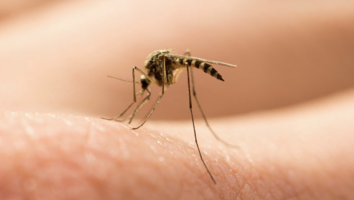
Heartworm is a parasite, which is transmitted by mosquitoes. Heartworm infection is much more common in dogs than cats, but it can cause serious illness and even death in both species. Preventative…