Dog



Nail clipping - how to cut your dog's claws
It is important to cut your dog's claws regularly because long claws can increase the risk of injury. What should you keep in mind when cutting your dog's claws and how often should you cut them?…

How to give your dog or cat a happy New Year
New Year's Eve, with its promise of celebration and new beginnings, is just around the corner. How about you include your pet too in this opportunity for joy and renewal? Read on for our best tips…

Are acorns dangerous for dogs?
Nice warm weather during autumn encourages us to go for a walk with our dog. The autumn feeling is very familiar: fallen leaves in a riot of colours, shiny conkers and a flood of acorns. Curious…

Conker poisoning in dogs
Conkers are the seed of the horse chestnut nut tree, a very common species in the UK, which are found lying on the ground in the autumn time. Similar to acorns, curious dogs may pick up conkers to…

Disease surveillance in pets
I work as a clinical pathologist and veterinary investigations officer when I am not on shift with FirstVet. My job involves all aspects of disease surveillance such as; identification of disease,…

Retained testicle (Cryptorchidism) in pets
When an animal has an undescended or retained testicle, we call this condition cryptorchidism. Cryptorchidism is seen in both cats and dogs, as well as other animals. Although cryptorchidism rarely…

Where to start with your new puppy? You need a plan
If you're a new or soon-to-be puppy owner and are currently feeling a little overwhelmed, you need a plan! A step-by-step guide to keep you on the right path, at least one paw ahead of your puppy.…

Can dogs catch a cold?
Can dogs catch colds? Dogs can, just like humans, get cold symptoms with a runny nose, cough and sneezing. In this article you will learn more about the most common causes of runny noses and other…

Taking your pet's temperature
The only way to determine if your pet has a fever is to use a thermometer. We show you how to do this with a few quick and easy steps to help you take your pet's temperature safely and accurately.

Lameness in dogs
Dogs can become lame for many reasons, such as a wound, insect sting, sprain or fracture. Other causes include joint problems, such as osteoarthritis. In this article we talk about symptoms,…

What your vet wished dog owners knew
Dogs have never been so popular. Yet, as vets know only too well, there are still many myths and misconceptions about our canine buddies. And quite a few of them can unfortunately lead owners down a…
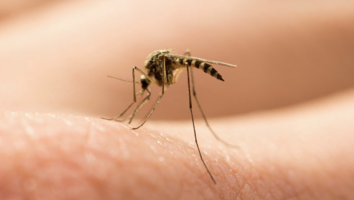
Heartworm disease in dogs
Heartworm is a parasite, which is transmitted by mosquitoes. Heartworm infection is much more common in dogs than cats, but it can cause serious illness and even death in both species. Preventative…

What are dog food allergies?
Everybody has heard of food allergies by now or knows people who have them. Dogs can also get food allergies, but they like to do them differently than people. Read on to learn how to recognise them.

Lungworm infection in dogs
Lungworm (Angiostrongylus vasorum) is a life-threatening disease of dogs. The number of cases in the UK over the last few years seems to be rising. Our vet explains what signs you should look out…

Colitis in dogs - a common cause of diarrhoea
Colitis in dogs means that the patient is suffering from inflammation of the large intestine (colon). Many dogs will suffer from colitis at one stage in their lives and this is also a common puppy…

Drooling in dogs and cats
Drooling, or hypersalivation (ptyalism), is the result of overproduction of saliva or the inability to swallow the saliva being produced, or both. Drooling in pets can present as a mild complaint or…

Vomiting bile in dogs and cats - causes, signs and treatment
Dogs and cats vomit bile when they have no other food content in the stomach. This could be because there has been previous vomiting, or it may be that they have not eaten recently. Bile and gastric…

Common infectious causes of diarrhoea in dogs and puppies
There are many infectious causes of diarrhoea in dogs and puppies, and this is sometimes associated with other symptoms such as vomiting, lethargy and loss of appetite. A common step in the…