Articles
Articles, questions and guides on pet care.



Can my dog eat a vegan or vegetarian diet?
Technically yes, dogs can survive on both a vegan or vegetarian diet. However, there are some important things to understand to ensure that your dog gets the right nutrition for their age, size and…
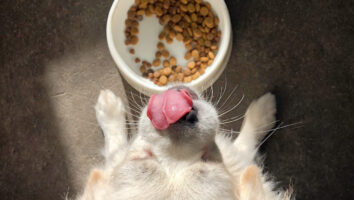
What are digestive support diets for dogs and cats and when to use them
If your pet has tummy trouble, changing their food can help their stomach get better. But what should you feed? Read our article to understand what digestive support foods are and how to use them.

Tips for cats with urinary disease or kidney issues
The vet who manages your pet’s case is always the best person to advise you about the treatment plan. However, for all cats, increasing their water intake and trying to reduce their stress levels…

Are acorns dangerous for dogs?
Nice warm weather during autumn encourages us to go for a walk with our dog. The autumn feeling is very familiar: fallen leaves in a riot of colours, shiny conkers and a flood of acorns. Curious…

Conker poisoning in dogs
Conkers are the seed of the horse chestnut nut tree, a very common species in the UK, which are found lying on the ground in the autumn time. Similar to acorns, curious dogs may pick up conkers to…

Chronic Kidney Disease (CKD) in cats
Chronic Kidney Disease (CKD) is a term used to describe progressive kidney failure or chronic renal failure in cats. CKD is one of the most common diseases in older cats, although it does not affect…

Lameness in cats
Cats can become lame for many reasons. Cats may develop an abscess from a cat bite, a wound, sprain, fracture or a sting in the paw. Some lameness can also be caused by joint problems in the leg.…
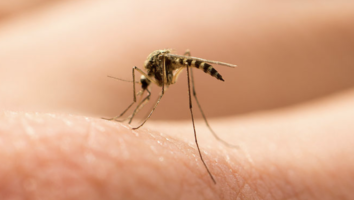
Heartworm disease in cats
Heartworms (Dirofilaria immitis) are transmitted to cats by mosquitoes. Cats who travel abroad or who are adopted from outside the UK are most at risk and preventive precautions should be taken in…
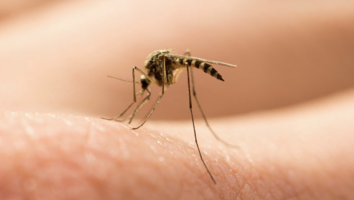
Heartworm disease in dogs
Heartworm is a parasite, which is transmitted by mosquitoes. Heartworm infection is much more common in dogs than cats, but it can cause serious illness and even death in both species. Preventative…

What are dog food allergies?
Everybody has heard of food allergies by now or knows people who have them. Dogs can also get food allergies, but they like to do them differently than people. Read on to learn how to recognise them.

Lungworm infection in dogs
Lungworm (Angiostrongylus vasorum) is a life-threatening disease of dogs. The number of cases in the UK over the last few years seems to be rising. Our vet explains what signs you should look out…

Colitis in dogs - a common cause of diarrhoea
Colitis in dogs means that the patient is suffering from inflammation of the large intestine (colon). Many dogs will suffer from colitis at one stage in their lives and this is also a common puppy…

Crate training for puppies
Puppies are often crate trained as part of an introduction to a new household. This can be an effective way of helping puppies to feel safe, secure and to prevent injury overnight. However, things…

Common infectious causes of diarrhoea in dogs and puppies
There are many infectious causes of diarrhoea in dogs and puppies, and this is sometimes associated with other symptoms such as vomiting, lethargy and loss of appetite. A common step in the…

Help! My dog gets travel sickness
Travel sickness, also called car or motion sickness, can affect pets as much as humans. Any form of travel can trigger travel sickness- dogs may shake, drool, yawn excessively, vomit and in some…

Long-term diarrhoea in dogs and cats
Loose stools can become an ongoing problem in both dogs and cats. In medical terms, changes to the consistency of stools is termed chronic diarrhoea when it has been present for 2 weeks or more.…

Changes in the colour of your pet’s poo?
Stool colour is an excellent indicator of intestinal health. Many different conditions can have an impact on stool colour and consistency so sometimes these changes are the first indication of a…

How to do an elimination diet food trial for dogs
Elimination diet food trials are done in dogs both to diagnose and treat various food intolerances or allergies. Read our article to learn how to do one successfully!