Cat



Summer Dangers for Cats
Summer often means spending more time outside. However, for outdoor cats, this can pose several risks. In this article, you can read about some of these summer dangers, how to prevent them, and what…
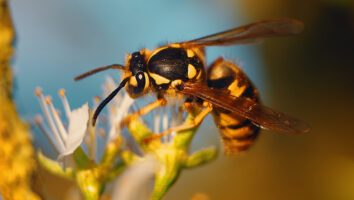
Wasp and Bee Stings in Dogs and Cats
Dogs and cats are often curious. They like to investigate or hunt insects, and therefore run the risk of being stung or bitten. Most dogs and cats can tolerate a wasp or insect sting without…

Kidney Failure in Cats
All dogs and cats should have 2 kidneys, just like people. The kidneys play a vital role by eliminating waste products that build up in the body, keeping good products in the body, and managing…

Ear Mites in Cats
Ear mites are a parasite of the ear that can affect both dogs and cats. They’re most common in young animals. Infection can occur in puppies and kittens as young as a few weeks old when the mites…

Lumps and Bumps on Dogs and Cats
Could my pet have an infection? Allergic reaction? Splinter? Tumor? The answer is YES to all of the above or something else… In this article, we’ll touch briefly on some causes of lumps and bumps or…

How to Protect Your Cat from Fleas
Fleas are the most common external parasite seen on cats. If your cat is scratching more than normal, has hair loss around his lower back/tail area, or has tiny black dots that look like pepper in…

Pet Medication 101: Zyrtec
It’s important to understand a medication’s uses and side effects before giving it to your pet. This medication info sheet is meant to give you a good understanding of what Zyrtec (cetirizine) is…

Pet Medication 101: Claritin
It’s important to understand a medication’s uses and side effects before giving it to your pet. This medication info sheet is meant to give you a good understanding of what Claritin (loratadine) is…

Coccidia in Dogs and Cats
Coccidia are single-celled organisms called protozoa that spend part of their life cycle living in the lining cells of the intestines of dogs and cats. While they may be an incidental finding in the…

Cheyletiella Mites in Cats and Dogs
Cheyletiella is a skin parasite that affects dogs and cats, as well as other animals and humans. Known as “walking dandruff” this mite causes symptoms similar to flaky, dry skin. Keep reading to…

Lice In Dogs and Cats
There are 2 main types of lice in dogs and cats - sucking lice and chewing lice. Lice tend to be species-specific, so they tend to stay on their own preferred host. There are rare reports of the dog…

How to Prevent Flystrike in Dogs and Cats
Flystrike in dogs and cats is one of those skin conditions where treatment and preventive medication is not readily available. It’s important that pet owners are aware of how this skin problem…

Cuterebra Infestation in Dogs and Cats
Skin parasites are a common problem in dogs and cats. Commonly encountered external parasites, like fleas, lice, and ticks, can easily be treated and controlled with over-the-counter preventive…

Pet Medication 101: Chlorpheniramine
It’s important to understand a medication’s uses and side effects before giving it to your pet. This medication info sheet is meant to give you a good understanding of what Chlorpheniramine…

6 Tips to Avoid Common Pet Emergencies in the Summer
The summer is an enjoyable time with bright sunshine, a cool breeze, and a furry pet by your side. Isn't it a perfect recipe for an awesome summer day? In addition to this, hiking, traveling,…

Kitten Proofing Your House
Before bringing your new kitten home, take a good look around your house. Potential hazards are lurking everywhere. Kittens are naturally curious and will investigate every inch of their new living…

Symptoms of Bladder Cancer in Cats
Cancer of the bladder is very rare in cats. Among the different types of cancer that can affect the urinary bladder, transitional cell carcinoma (TCC) is the most commonly diagnosed. Although it’s…