Dog



Umbilical Hernias in Dogs and Cats
An umbilical hernia is a congenital abnormality where the body wall does not close properly at the location where the umbilical cord was attached (the belly button). This results in an opening, or…

How to Road Trip With Your Dog
Going on a road trip with a dog is not as easy as it sounds. The road-tripping experience can be a fun adventure both for you and your dog, but you need to know and prepare for challenges you might…

How to Introduce Cats and Dogs
Wait, aren’t cats and dogs sworn enemies? How can they live together much less become friends? Perhaps you have a dog and are thinking about adopting a cat or just the opposite. While it is an…

Flea Allergy Dermatitis (FAD) in Dogs
Flea Allergy Dermatitis is the most common skin disease and cause of itching in dogs. For adult fleas to reproduce they must bite a dog to obtain a blood meal. Most of the flea life cycle is not…

Rocky Mountain Spotted Fever in Dogs
Rocky Mountain Spotted Fever is a disease transmitted to dogs by ticks infected with the Rickettsia rickettsii bacteria. This disease, if not diagnosed and treated early, can have devastating…

Why are my dog’s gums red?
A dog’s gums are more than just keeping your dog’s pearly whites in place. Their appearance provides a peek into your pet’s health and well-being at any given time. Your dog’s gums are also prime…

Papilloma Virus in Dogs and Cats
The onset of the coronavirus pandemic has led to the majority of people becoming more knowledgeable about viruses, how they develop, how they function, and the extent of disease they can produce.…

Diaphragmatic Hernias in Dogs and Cats
Most hernias in dogs and cats occur in the abdominal region and usually involve tissues and organs in the abdominal cavity. One common hernia that occurs in both species is called a diaphragmatic…

10 Interesting Facts About Your Dog's Brain
Dogs are the first animals to live with humans. They were first domesticated to work on farms and work side-by-side with hunters and fishermen. But as the bond between humans and dogs strengthened,…

Pacemakers for Dogs with Heart Problems
Human medicine has paved the way for several treatments and procedures that can be used similarly in cats and dogs. Thanks to this, many pets have been able to survive complex health conditions such…

Pancreatic Tumors and Cancer in Dogs
Dogs and humans share a lot of similarities in terms of anatomy and physiological processes. Organ systems work pretty much the same across both species, albeit with a few minor and key differences.…

Pet Insurance Guide for Dog Owners
Pet health insurance is prevalent now, and for a good reason. Pet parents are now spending more on their pets than ever before. Dog insurance plans can cover preventative medicine, including…
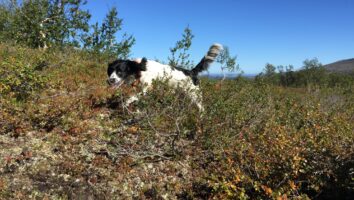
3 Great Outdoor Activities to Enjoy with Your Dog
Looking for fun, easy activities to enjoy with your dog? Grab a small handful of treats and head outdoors! Your dog will love spending the extra time with you, and you’ll both benefit from the fresh…

How to Get Started with Dog Agility Training
Want to have fun with your dog, get healthy, and fulfill your competitive spirit? Read more here about dog agility - where dogs of any breed can compete in an obstacle course directed by their…

Indoor Activities for You and Your Dog
With just a favorite toy and some treats, there are many fun activities you can do to keep your dog entertained indoors. If you don’t have the opportunity to go out right now, it’s good to have…

Top 3 Causes of Conjunctivitis in Dogs
Conjunctivitis, sometimes called pink eye, is one of the most common causes of red, inflamed eyes in dogs. It causes other signs such as excessive sticky, mucopurulent, or pus-like discharge that is…

Poisonous Plants for Dogs and Cats: Philodendron
Philodendrons are common house plants and also a very common part of tropical landscaping in the southern US. All parts of all types of philodendrons are toxic to most animals, including dogs, cats,…

Poisonous Plants for Dogs and Cats: Tulips
Tulips are beautiful, popular flowers that many of us have in our gardens. But it’s important to note that the Tulipa genus of flowers is toxic to cats, dogs, and horses and can be fatal if…