Dog



What are dog food allergies?
Everybody has heard of food allergies by now or knows people who have them. Dogs can also get food allergies, but they like to do them differently than people. Read on to learn how to recognise them.

Drooling in dogs and cats
Drooling, or hypersalivation (ptyalism), is the result of overproduction of saliva or the inability to swallow the saliva being produced, or both. Drooling in pets can present as a mild complaint or…

Help! My dog gets travel sickness
Travel sickness, also called car or motion sickness, can affect pets as much as humans. Any form of travel can trigger travel sickness- dogs may shake, drool, yawn excessively, vomit and in some…

How to do an elimination diet food trial for dogs
Elimination diet food trials are done in dogs both to diagnose and treat various food intolerances or allergies. Read our article to learn how to do one successfully!

Intussusception in dogs and cats
Intussusception is an uncommon problem that can occur in the intestine where one part of the gut slides into the next part in a telescoping action. This can cause a blockage or particle blockage…
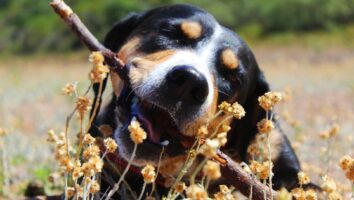
Help! My pet has eaten….? Foreign bodies in dogs and cats
It is very common for dogs to eat things they shouldn’t, and sometimes this can get them into trouble. It is less common but still possible in cats, who tend to be more careful about what they…

Intestinal lymphangiectasia in dogs
The lymphatic system is a series of branching vessels, called lacteals, which carry lymph fluid around the body. Lymph fluid carries cells of the immune system and plays an important role in the…

Eyelid lumps in dogs
When a tumour grows on the eyelid it presents different challenges to other locations in the body. An eyelid tumour may appear as a lump on your dog’s eyelid. There are several types of eyelid lumps…

I think my dog has ringworm. What should I do?
Ringworm is a type of fungal infection in the skin. Ringworm infection is caused by microscopic fungi (dermatophytes) feed on the keratin layers of the skin. The name ‘ringworm’ comes from the fact…

Canine seborrhoea: Why is my dog’s coat oily and smelly?
Canine seborrhoea or seborrhoeic dermatitis is a common skin condition that affects dogs and relates to the sebaceous glands in their skin. The sebaceous glands are associated with the hair…

There's a lump on the back of my dog’s neck. What should I do?
Lumps in dogs can occur for multiple reasons and there are a vast array of different types ranging from benign and harmless to highly malignant and potentially life threatening. A lump on the back…
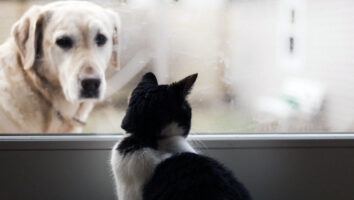
Dog and cat bites
The mouths of dogs and cats are filled with bacteria which can cause serious infections if a bite occurs. In addition the teeth can penetrate into tissue and cause both superficial and deeper, more…
My dog has a swollen face
Facial swelling in dogs can have multiple causes, all of which require veterinary attention. Facial swelling will usually be accompanied by pain and will generally make your dog feel miserable.…

What are the most common ear problems in dogs?
Noticed your dog shaking their head more, rubbing it on the floor or scratching at their ears? Red, dirty or smelly ears? Keep reading to learn what may be causing this and what to do about it!

How to spot ear mites in pets and what to do about them
Many things cause itchy ears in dogs and cats. One of the causes, particularly in younger animals, and especially in kittens, are ear mites. Find what you need to know about ear mites in our article!

What are dog allergies or hypersensitivities?
Just as in people, the number of dogs suspected of or diagnosed with allergies are growing. But what are allergies and how to recognise them? Keep reading to understand your dog’s allergies better.

Quick A to Z of common external parasites in dogs
Read our article for a handy overview of parasites that are usually found on a dog's skin.
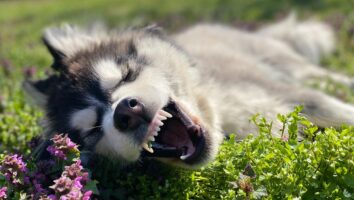
Which plants are toxic or safe for your dog and cat?
Adult dogs and cats are more careful in their explorations, but puppies and kittens often take a “chew first, ask later” approach. Read on to learn which plants are harmless and which not.