Dog



Help! My dog gets travel sickness
Travel sickness, also called car or motion sickness, can affect pets as much as humans. Any form of travel can trigger travel sickness- dogs may shake, drool, yawn excessively, vomit and in some…
How to do an elimination diet food trial for dogs
Elimination diet food trials are done in dogs both to diagnose and treat various food intolerances or allergies. Read our article to learn how to do one successfully!

Megaoesophagus in dogs
Megaoesophagus is a condition where the muscular food pipe, which connects the throat to the stomach (the oesophagus), does not function normally. Food and saliva cannot move into the stomach, as…

Intussusception in dogs and cats
Intussusception is an uncommon problem that can occur in the intestine where one part of the gut slides into the next part in a telescoping action. This can cause a blockage or particle blockage…
Help! My pet has eaten….? Foreign bodies in dogs and cats
It is very common for dogs to eat things they shouldn’t, and sometimes this can get them into trouble. It is less common but still possible in cats, who tend to be more careful about what they…
Help! Why won’t my dog eat?
Dogs are clever! They will often not eat if they feel nauseous or they have vomited recently. If they have vomited, they are more likely to eat after being fasted for a short time: 2 to 3 hours for…
EPI (Exocrine Pancreatic Insufficiency) in dogs and cats
Exocrine Pancreatic Insufficiency (EPI) is a condition which can affect both dogs and cats, but is more commonly seen in dogs. An insufficient amount of digestive enzymes are made in the gut. These…

Intestinal lymphangiectasia in dogs
The lymphatic system is a series of branching vessels, called lacteals, which carry lymph fluid around the body. Lymph fluid carries cells of the immune system and plays an important role in the…

Feeding a puppy
We all know that puppies are not just small dogs and they have different dietary requirements. A puppy’s diet should be tailored to help with growth and development to help build strong bones, teeth…

Eyelid lumps in dogs
When a tumour grows on the eyelid it presents different challenges to other locations in the body. An eyelid tumour may appear as a lump on your dog’s eyelid. There are several types of eyelid lumps…

I think my dog has ringworm. What should I do?
Ringworm is a type of fungal infection in the skin. Ringworm infection is caused by microscopic fungi (dermatophytes) feed on the keratin layers of the skin. The name ‘ringworm’ comes from the fact…
Canine seborrhoea: Why is my dog’s coat oily and smelly?
Canine seborrhoea or seborrhoeic dermatitis is a common skin condition that affects dogs and relates to the sebaceous glands in their skin. The sebaceous glands are associated with the hair…
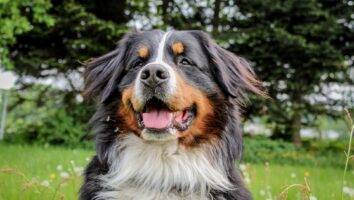
Gastric ulcers and gastritis in dogs
There are many reasons why your dog might be sick or not eat well. Gastritis is common but usually easily treatable. The stomach contains strong gastric acid, which is important in the breakdown of…
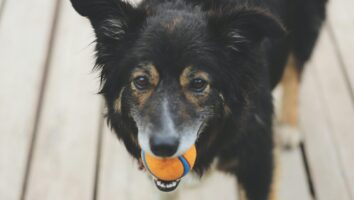
Seizures in dogs
Seizures are common in dogs, especially in certain breeds where there is a genetic susceptibility to epilepsy. A seizure is essentially a disturbance of normal brain function. This leads to…
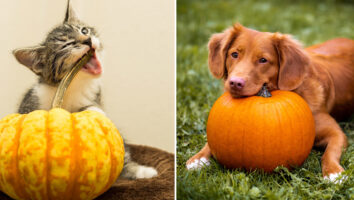
Halloween hazards and Bonfire Night - how to keep your pet safe
Halloween can be a wonderful time of year with lots of sweets and chocolates in abundance, creative costumes and a great time had by all. However our pets may feel very different, with dangers posed…

Are shock collars really that bad?
A shock collar is a device which delivers an electric shock to an animal and is used as a training tool. They may also be called electronic collars, remote collars or e-collars. Continue reading…
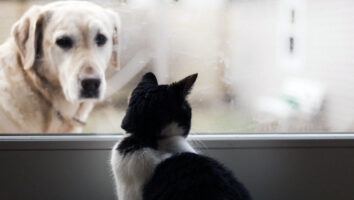
Dog and cat bites
The mouths of dogs and cats are filled with bacteria which can cause serious infections if a bite occurs. In addition the teeth can penetrate into tissue and cause both superficial and deeper, more…
Should I try to make my dog sick?
Occasionally, your pet may eat something that could be harmful and may need to visit their vet to be made sick. It is never recommended to make your pet sick at home. There are risks associated with…