Dog



Veterinary Virtual Care - FAQ
Veterinary virtual care may seem like a new concept, but it’s actually been around for many years. You may have heard the terms “telemedicine” or “teletriage” and wondered how they can be used to…

Dilated Cardiomyopathy in Dogs
Dilated cardiomyopathy (DCM) is a heart condition where the muscles of the heart get weak and the heart enlarges like a big balloon. This condition is more common in certain breeds, such as Doberman…

Chiropractic Care for Pets
Over the years, society’s view of animals has changed dramatically - from working creatures that primarily lived outdoors to family members with their own calendars of activities, beds and specialty…

Pet Medication 101: Carprofen
It’s important to understand a medication’s uses and side effects before giving it to your pet. This medication info sheet is meant to give you a good understanding of what Rimadyl (carprofen) is…

Can dogs eat carrots?
Carrots are highly nutritious and versatile vegetables. They can be eaten as snacks in the form of carrot sticks, dipped in different dressings, mixed in different kinds of salads, and included in a…

Pet Medication 101: Methocarbamol
It’s important to understand a medication’s uses and side effects before giving it to your pet. This medication info sheet is meant to give you a good understanding of what Robaxin (methocarbamol)…

Fibrocartilaginous Embolism in Dogs
Fibrocartilaginous embolism (FCE) in dogs is a condition that causes paralysis when a blood vessel in the spinal cord is blocked. It can occur during vigorous exercise, such as running and jumping…

Caring for Your Pregnant Dog
Having puppies may sound easy and fun, but there is actually quite a bit of work that you need to do both before and after your dog gives birth. Proper planning and care can do a lot to minimize…
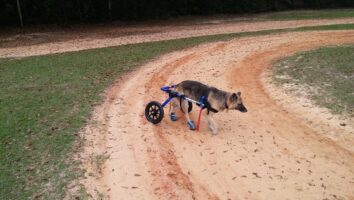
Caring for a Paralyzed Dog
Dogs that are paralyzed in the hind legs or all four legs need extra help doing everyday things. But don’t panic! Many dogs can live happy and healthy lives, even with paralysis. Whether a dog has…

Caring for Pets with Pneumonia
Pneumonia is an inflammation of the lower respiratory tract (mainly the lungs) that can cause breathing difficulties. This leads to a lack of oxygen in the blood. Both dogs and cats are susceptible…

Squamous Cell Carcinoma in Dogs
Squamous cells line the epidermis, which is the outermost part of the skin. A tumor of the skin cells is called a squamous cell carcinoma (SCC). This type of cancer can occur anywhere this type of…

Types of Cardiomyopathy in Dogs
Cardiomyopathy is a common heart disease in dogs. It includes any disorder that affects the muscles of the heart which can eventually lead to the heart losing its ability to pump blood efficiently.…

Hypertrophic Cardiomyopathy in Cats and Dogs
Hypertrophic Cardiomyopathy (HCM) is a heart condition that can occur in dogs, although it is more commonly seen in cats. Continue reading to learn what happens when a pet develops HCM and why this…

Ventricular Tachycardia in Dogs and Cats
Tachycardia is a medical term for rapid heart rate. When tachycardia originates from the ventricles of the heart, it is known as ventricular tachycardia (VT or V-Tach). It is a serious form of…

Examining and Caring for Your Pet’s Ears
Have you ever wondered why your pet can hear sounds that you can’t? It’s true that dogs and cats have much more sensitive hearing than we do. Keep reading to learn more about your pet’s ears, how…

Why does my pet need an echocardiogram?
An echocardiogram is a basic diagnostic tool that is used in both human and veterinary medicine. Also called an echo or cardiac ultrasound, it is performed on pets to evaluate the condition and…

Bandage and Splint Care for Your Pet
At some point in time, your four-legged family member may need to have a bandage or splint placed by your vet. Although a bandage or splint may seem like a simple form of therapy, proper at-home…

How to Care for a Deaf Pet
Deaf dogs retain a strong command of their senses. This means that losing their sense of hearing won’t have a profound effect on their daily activities. And fortunately, dogs that become deaf later…