Articles
Articles, questions and guides on pet care.



Which plants are toxic or safe for your dog and cat?
Adult dogs and cats are more careful in their explorations, but puppies and kittens often take a “chew first, ask later” approach. Read on to learn which plants are harmless and which not.

Brushing Your Dog’s Teeth – Why It Matters and How to Do It Properly
Keeping your dog’s teeth clean is an essential part of good pet care. Just like humans, dogs can suffer from plaque build-up, gum disease, and tooth loss if their teeth aren’t cared for properly.…

7 ways to give your dog a very happy Christmas – and most of them won’t cost you a penny!
Christmas is an exciting time for humans and is also a time when we can do something special for the dogs in our lives. Christmas is a time that we can show our dogs how loved and appreciated they…

Feeding your dog or cat a raw food diet - What do you need to consider?
Are you thinking of feeding your dog a raw diet? Read our article to find out all you need to know about raw feeding your dog a raw meat-based diet to help you make an informed decision. Similar…
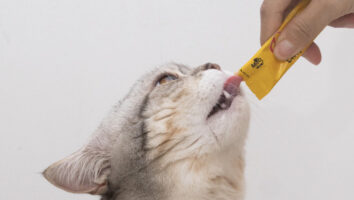
What are probiotics? Why and when should I give them to my dog or cat?
Every pet shop out there offers numerous probiotics. But what is a probiotic actually? Does it do anything? How to use it? Read on for what you need to know on gut health and probiotics for pets.

How to celebrate a safe Halloween with your pet
During Halloween there is a high risk of dogs and cats ingesting toxic food or dangerous objects. Here we share our best tips and advice on how to celebrate a safe Halloween with your pet!

How not to spend Christmas with your vet: Christmas dangers for pets and how to avoid them
Vets love their patients, it’s not a secret. But sometimes we really don’t want to see them. For Christmas, for example. Keep reading for what you need to know to spend Christmas with your pets…
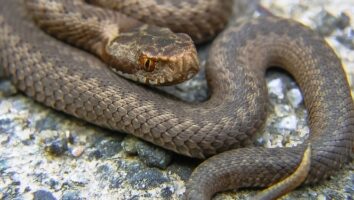
Snake bites – learn how to act fast and effectively!
The European adder (Vipera berus) is the only venomous snake that is native to the UK. Adults are approximately 50-60cm long with a brown zigzag pattern along their back and a V or X shaped marking…

When is it time to say goodbye to your pet?
Making the decision to say goodbye to your dog or cat is the one of the most difficult things that you face as a pet owner. Our animals are dear friends, a family member, from whom we do not want to…

Why is antifreeze a danger to your pet?
The antifreeze component added to car and truck engine coolant and other car fluids keeps us safe while driving, but is unfortunately extremely toxic for cats and dogs (and people too, by the way)…

How to physically examine your pet at home
You’ve probably seen your vet examine your pet nose-to-tail plenty of times. Read our article to learn what they are looking at, listening to or feeling for and how to do it at home!

Seasonal canine illness (SCI)
Seasonal canine illness (canine seasonal disease) is a relatively rare condition that typically affects dogs in the autumn. This condition has a rapid onset and is potentially fatal; symptoms often…

Puppies - from a vet's perspective
In this article we answer some of the most common questions about looking after a new puppy.

Cats and kittens - from a vet's perspective
In this article we answer some of the most common questions about looking after a new kitten.

How to treat minor wounds on your pet
There’s probably not a dog or cat alive that has never returned home from their outdoor adventures with a scrape, scratch or cut. Either caught up in a tight spot, on a sharp (metallic) object or…

What are the most common ear problems in cats
Cats are very good at hiding when they are in pain, including hurting because of troubles with their ears. Read our article to learn how to recognise ear problems in cats and what to do about them!

What to do if your cat has fleas
Every cat could potentially have fleas at some point in their life. They can be a nuisance or a real problem. Read the following article to learn what you need to know to keep your cat flea-free.
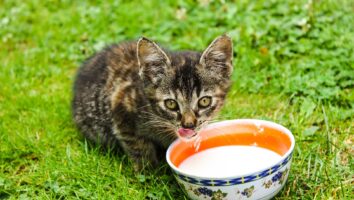
Can I feed my cat milk?
Kittens usually drink the queen’s (mother’s) milk until the mother gradually weans them at around 4 to 6 weeks of age. Most kittens are eating solid cat food by the time they are 8 to 10 weeks of…