Cat



Heat Stroke in Cats
Many cats like the heat, but just like humans, they can suffer from heat stroke if exposed to extreme temperatures for too long. Easy access to plenty of fresh water is essential. Unlike dogs, cats…

How to Apply “Spot On” Medication to Your Dog or Cat
Some products used to prevent ticks, fleas, and worms are applied directly onto the skin. These are sometimes called "spot on" medications. Here you will find tips and advice on how to apply them…

Tips for Bringing Home a New Cat or Kitten
Planning on bringing home a new furry family member? What can you do to prepare? Here we share our best tips to prepare for your new cat’s arrival.
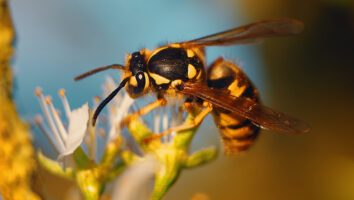
Wasp and Bee Stings in Dogs and Cats
Dogs and cats are often curious. They like to investigate or hunt insects, and therefore run the risk of being stung or bitten. Most dogs and cats can tolerate a wasp or insect sting without…

Veterinary Virtual Care - FAQ
Veterinary virtual care may seem like a new concept, but it’s actually been around for many years. You may have heard the terms “telemedicine” or “teletriage” and wondered how they can be used to…

What is Veterinary Telehealth?
Have you considered utilizing telemedicine as part of your pet’s health care? There are many options available to pet parents, and it’s important to understand what services you need - whether…

Upper Respiratory Infections in Cats
Upper respiratory infections (URIs) are one of the most common infectious diseases seen in cats. Also known as cat flu or cat colds, URIs are typically caused by viruses that affect mostly young…

5 Ways to Celebrate Your Pet During Pet Wellness Month
Did you know that October is National Pet Wellness Month? That’s a whole 31 days devoted to caring for your pet’s physical and mental well-being! This initiative was started in 2004 and is meant to…

Common Ear Problems in Cats
Ear problems in cats are a common cause of scratching and head shaking. Causes can include bacterial or fungal infection, foreign material (grass seeds), and parasites (ear mites). Continue reading…
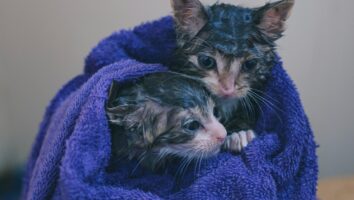
Grooming Tips and Coat Care for Your Cat
Keeping your cat’s coat clean and smooth will make them happier and petting them even more enjoyable! A dull coat can indicate possible internal diseases, nutritional deficiencies, dirty coat, etc.…

Pet Euthanasia - Knowing When its Time and What to Expect
No one ever feels ready to say goodbye to a beloved pet - it’s often one of the most difficult things that you’ll face as a pet owner. Our pets are considered dear friends and members of the family,…

Everything You Need to Know About Chocolate Toxicity in Pets
While most humans love chocolate, it’s not a safe treat to share with your dog or cat! Chocolate contains caffeine and theobromine, which are toxic to our pets. They also absorb and break down the…

Kidney Failure in Cats
All dogs and cats should have 2 kidneys, just like people. The kidneys play a vital role by eliminating waste products that build up in the body, keeping good products in the body, and managing…

Diabetes in Cats
If you think your cat has diabetes, you may be feeling scared and overwhelmed. Diabetes seems like a complicated disease, but with early detection and proper treatment, your cat may be able to lead…

Noise Anxiety in Cats and Dogs
We often celebrate New Year’s Eve, the 4th of July, and other holidays by lighting fireworks with loud sounds and flashing lights. How can we celebrate with friends and family, but also keep our…

Poisonous Plants for Dogs and Cats: Philodendron
Philodendrons are common house plants and also a very common part of tropical landscaping in the southern US. All parts of all types of philodendrons are toxic to most animals, including dogs, cats,…

Poisonous Plants for Dogs and Cats: Oleander
Oleanders are beautiful flowering plants that can grow incredibly large. Oleanders are commonly used in landscaping along fences for privacy and for their beauty. Unfortunately, the Oleander plant…

Poisonous Plants for Dogs and Cats: Azalea
Azaleas, also called Rosebay or Rhododendron, are common plants in outdoor landscaping. Despite their beauty, they can be toxic if eaten by dogs, cats, rabbits, reptiles, pigs, horses, and goats (to…